In many shops, cost estimation is still manual; this guide teaches you how to define machining phases and times with professional accuracy using Fabriqer.

Industrial digitalisation has ceased to be an option and has become a necessity. However, many machine shops fail in their attempt to digitally transform. It's usually not due to a lack of technology, but because they are unaware of the process behind true transformation.
In this article, we review the most common mistakes when digitalising a shop and how to avoid them in order to achieve an efficient, profitable, and sustainable transition.
One of the most common mistakes is starting by purchasing tools before understanding the problem. It is common for shops to acquire ERP, CRM, or MES systems thinking that they will solve management or production issues on their own. However, without a prior diagnosis, these solutions become more of an expense than an investment.
Digitalisation should begin with a thorough analysis of current workflows: identifying bottlenecks, repetitive tasks, and processes that cause time loss or errors. Only from that process map does it make sense to define a digital strategy and choose the right tool.
Before investing in technology, it's essential to analyse how much time is spent in each phase (quoting, setup, machining, quality control) and prioritise automating the most repetitive or business-critical tasks.
Another common mistake is believing that digitalisation is only the responsibility of management or the technical department. The reality is that success depends on the commitment of the entire team. When operators, programmers, or shop managers are not involved from the beginning, resistance, errors, and demotivation arise.
The change must be shared. Training staff, listening to their suggestions, and adapting the systems to their way of working is essential to ensure smooth and effective adoption. Technology should be a support, not a burden.
The ambition to do everything at once is another major enemy of success. Transitioning from a traditional environment to a 4.0 shop in just a few months is not only unrealistic but also counterproductive. It leads to frustration, additional costs, and excessive complexity that ultimately paralyses the project.
The correct approach is progressive. Digitalisation should be modular and scalable: start with a specific area, measure results, and then expand. This makes it possible to learn, adjust and consolidate improvements without putting operations at risk.
The key is to start with what has the most impact on profitability. Automating technical quoting is often a good starting point, as it reduces time and errors without the need to modify the entire shop structure. Fabriqer, specialist software for machine shops, automates the creation of technical quotes from 3D files, calculates costs and times automatically, and generates professional quotes in minutes, allowing for increased agility and competitiveness from day one.
A common mistake is digitalising without defining success indicators. Installing new software or systems does not automatically mean improvement. It is essential to measure whether the initial goals have truly been achieved: time reduction, error reduction, traceability, or cost savings.
Without clear metrics, digitalisation loses its purpose. Each shop should define its own indicators before implementing any technological solution.
Set simple and objective metrics, such as the average time to issue a quote or the percentage of quotes won after the change. This way, you can determine if the investment is generating the expected return.
Each shop has its own way of working, and it's a mistake to choose rigid tools that don't adapt to those workflows. Closed solutions limit growth and make future integrations with other systems or processes difficult.
The ideal approach is to choose open, scalable platforms that are specific to the industrial environment. Flexibility is key for digitalisation to support the natural evolution of the shop and not become a barrier.
Digitalisation is not about adding software; it's about transforming the way of working. It is a process that requires planning, training, measurement, and tools tailored to the reality of each shop. The most common mistakes are not in the technology, but in the strategy.
At Fabriqer, we help machine shops take the first step towards digitalisation in a realistic way. Our software lets you automate technical quoting, make the most of 3D file data and connect each phase of the process without complicating daily operations.
Transforming a shop is not a matter of size, but of mindset. Avoiding these mistakes is the first step to turning digitalisation into a lasting competitive advantage.
Fabriqer helps you move towards more profitable, professional, and responsible manufacturing. Start using Fabriqer today —start your trial!
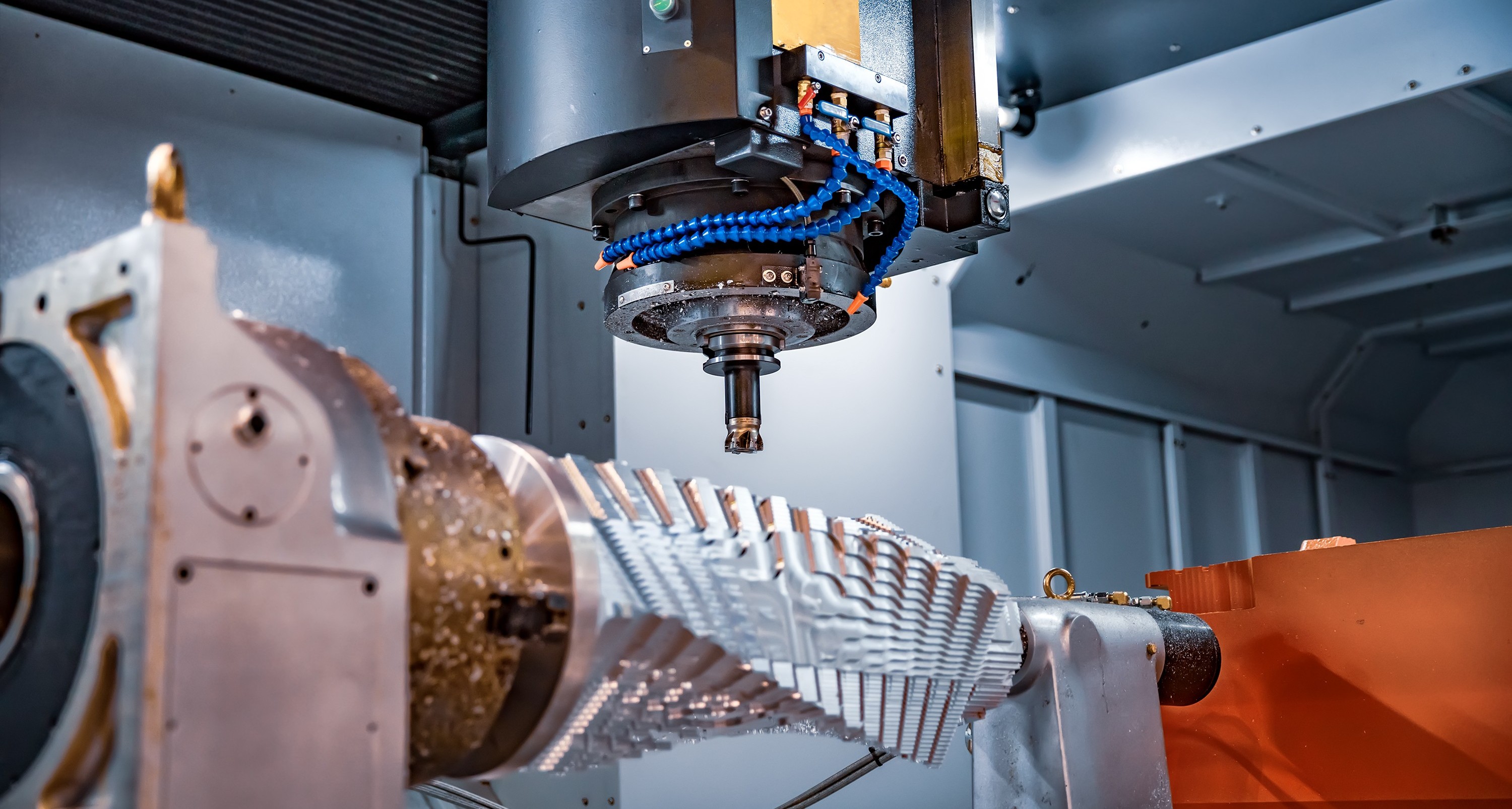
In many shops, cost estimation is still manual; this guide teaches you how to define machining phases and times with professional accuracy using Fabriqer.


We review the most common mistakes when digitalising a shop and how to avoid them to achieve an efficient, cost-effective, and sustainable transition.

Why it's time to move beyond makeshift tools, and the real benefits of technical management software built for custom manufacturing shops.