In many shops, cost estimation is still manual; this guide teaches you how to define machining phases and times with professional accuracy using Fabriqer.

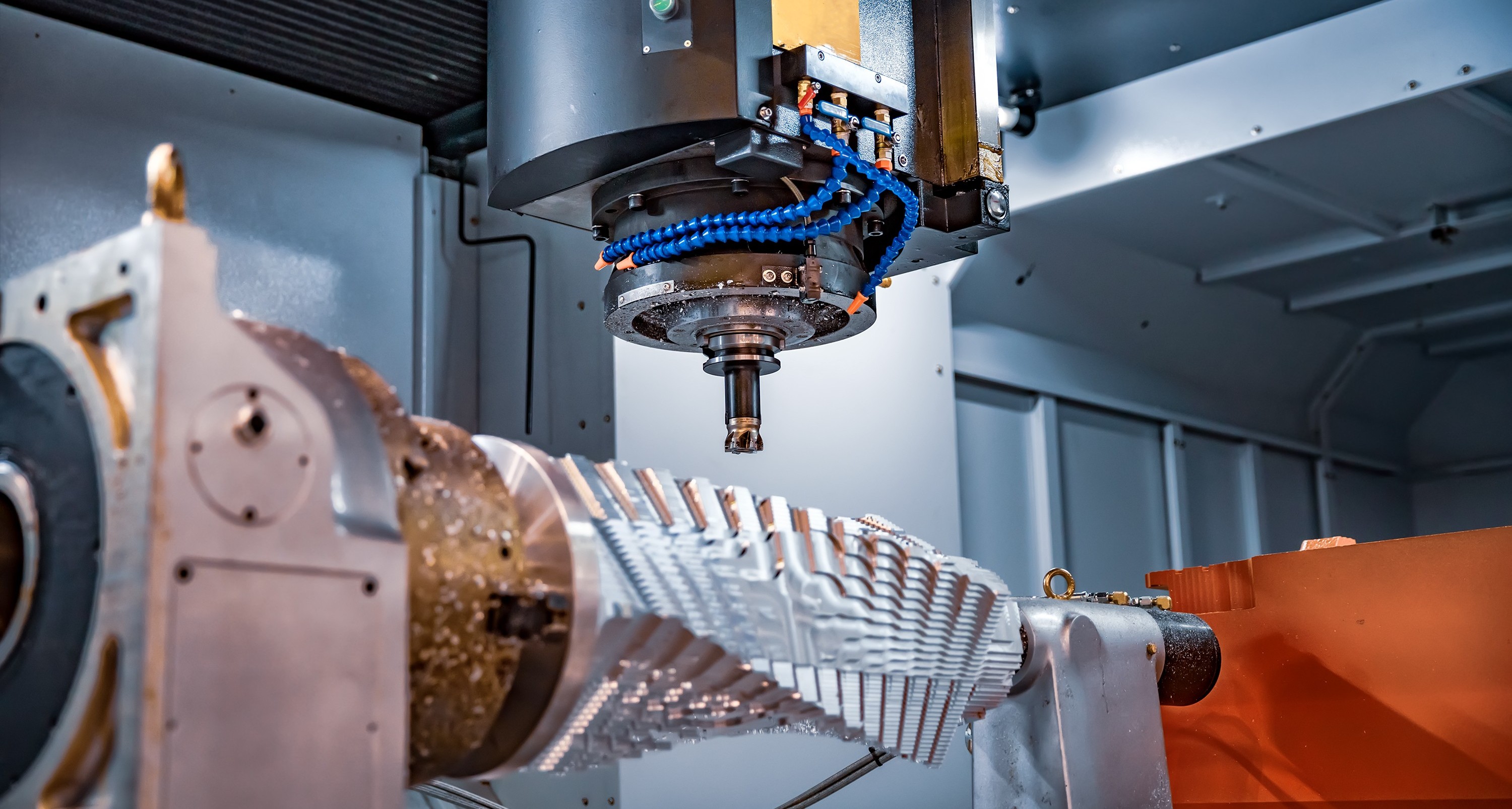
Automation in machine shops has ceased to be a futuristic option and has become a strategic necessity. In recent years, the integration of robots and intelligent systems has allowed shops to optimise their processes, improve precision, increase production capacity, and, above all, reduce costs in an increasingly demanding environment. These technologies are increasingly integrated into digital tools such as software for machine shops, which expand the possibilities for efficient management from the technical office to the production area.
This advancement addresses two major challenges: the shortage of skilled labour and the growing demand for personalised products with increasingly tight delivery times.
Automation is not limited to the physical realm. Intelligent systems are redefining how shops manage production, analyse data, and make decisions. Thanks to artificial intelligence, the Internet of Things (IoT), and real-time analytics, it is possible to anticipate problems, optimise resources, and improve traceability.
One of the most significant advancements is predictive maintenance. Through sensors installed on machines and the analysis of their operating data, shops can foresee failures before they occur, schedule planned downtimes, and prevent unexpected outages. This results in a considerable reduction in repair costs and increased equipment availability.
Another growing area is automatic machining programming, which allows for the generation of optimal tool paths, minimising wear and maximising performance. In addition, MES (Manufacturing Execution Systems) enable comprehensive production management by connecting people, machines, and processes in a digital network that improves operational efficiency and facilitates decision-making.
The integration of these technologies in machine shops brings concrete and measurable benefits. First, productivity increases significantly by reducing downtime and enabling operations in extended shifts without human intervention. Second, the reduction of errors and material waste helps to lower operational costs.
Automation also ensures greater precision in manufacturing, thanks to systems capable of repeating tasks with consistent accuracy. In addition, it provides flexibility to production, allowing quick adaptation to custom orders or changes in specifications. Finally, from a human perspective, it enhances workplace safety by preventing operators from having to perform dangerous or repetitive tasks.
Despite its many advantages, automation in machine shops also presents certain challenges. The initial investment in equipment and intelligent systems can be significant, especially for small and medium-sized enterprises. Additionally, there is a need for specialised training to ensure proper implementation and utilisation of the technologies.
However, the future is promising. The convergence of robotics, artificial intelligence, and IoT will enable levels of efficiency, traceability, and customisation that until recently seemed unattainable. Shops that adopt these technologies will be better positioned to compete in a globalised and ever-changing market.
In this context of comprehensive automation, it is also necessary to look at the phases prior to production, such as the quoting phase. Often, shops waste valuable hours preparing quotes manually, checking prices, reviewing drawings, and generating documents without a unified tool.
This is where Fabriqer comes into play: software developed specifically for machine shops. Fabriqer is designed for the automation of machining quotes.
This SaaS solution for machining enables automatic quoting of machined parts, without errors and with speed. Its use represents a competitive advantage over those still relying on spreadsheets or manual processes. As machining quoting software, it also integrates a history of prices and parts, and is tailored to shops seeking online CNC quoting solutions. Ultimately, it is software for machining companies that want to align with the demands of the current industrial landscape, focusing on efficiency, digitalisation, and sustainable growth.
With solutions like Fabriqer, automation is no longer exclusive to large plants. Small and medium-sized shops can also begin to transform their commercial and technical management to gain time, precision, and competitiveness from the very first click.
In many shops, cost estimation is still manual; this guide teaches you how to define machining phases and times with professional accuracy using Fabriqer.


We review the most common mistakes when digitalising a shop and how to avoid them to achieve an efficient, cost-effective, and sustainable transition.

Why it's time to move beyond makeshift tools, and the real benefits of technical management software built for custom manufacturing shops.