In many shops, cost estimation is still manual; this guide teaches you how to define machining phases and times with professional accuracy using Fabriqer.

The term ‘smart manufacturing’ sounds futuristic, conjuring images of large automated plants or robots working non-stop. But in reality, smart manufacturing isn't reserved for big industries: any machine shop can apply its principles to become more competitive, reduce errors, optimise resources, and increase agility.
This approach combines technologies such as the Industrial Internet of Things (IIoT), cyber-physical systems, real-time data analytics, automation, and software integration to create more efficient, connected, and flexible production environments.
In this article, we explain exactly what this concept means and how it can be applied in the reality of a small or medium-sized shop.
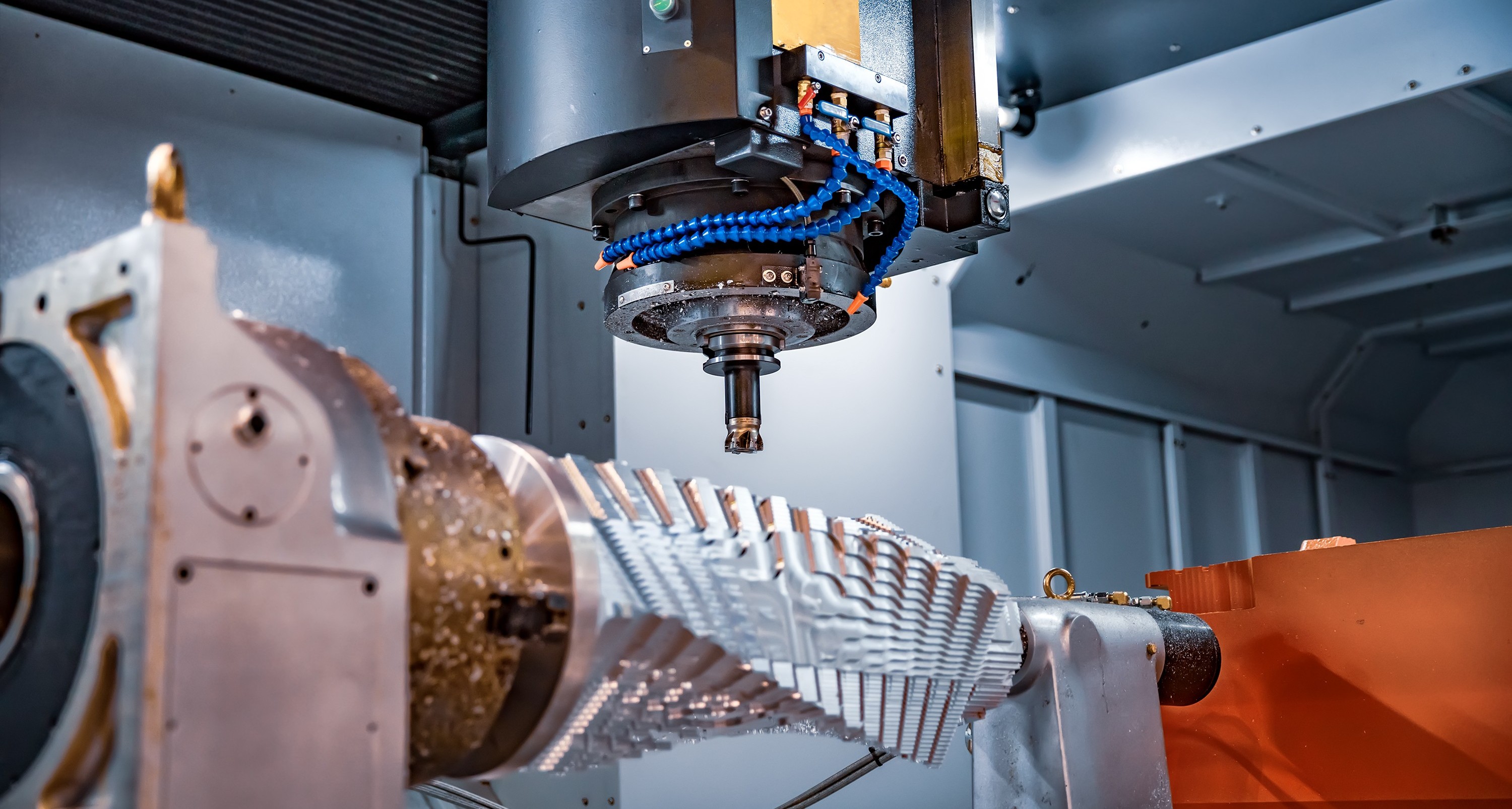
Unlike simple task automation (such as using a CNC milling machine or a robotic arm), smart manufacturing involves connecting all production and administrative processes through data.
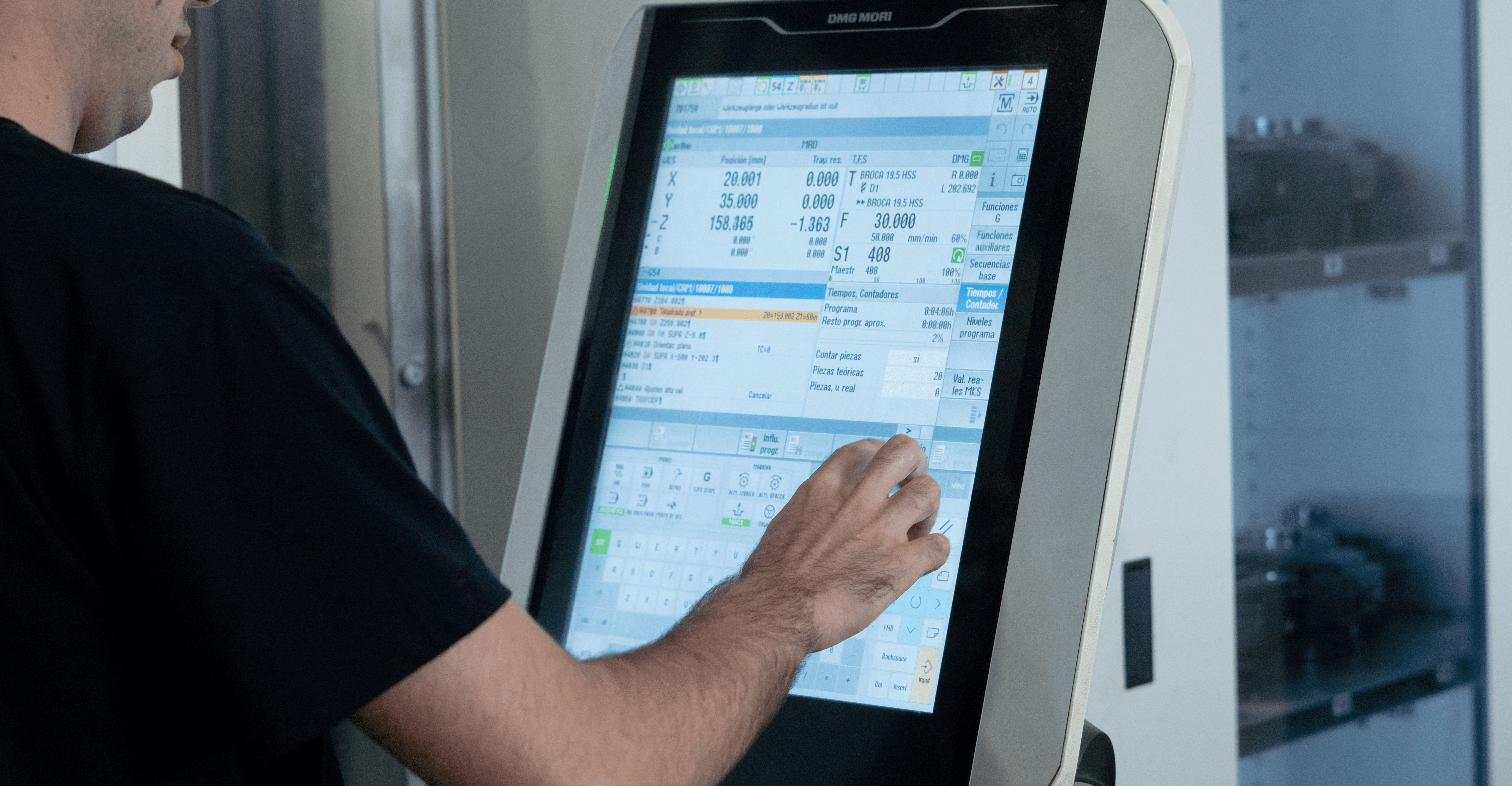
This means that machines can send information about their status, quoting systems integrate with production control, and managers can make decisions based on real-time, accurate data rather than intuition or paperwork.
A CNC machine shop, no matter how small, can start applying smart manufacturing through very specific steps:
It's not about investing millions, but implementing accessible solutions such as specialised software, IoT devices or shop-floor data capture systems.
Applying the principles of smart manufacturing allows you to:
In short, the shop operates more efficiently, makes data-driven decisions, and improves its ability to adapt to market changes, urgent orders, or rising material costs.
With its automatic 3D file analysis, guided material selection, phase calculation, and instant quote generation, Fabriqer enables shops to respond within minutes with maximum accuracy. Additionally, its ability to maintain a part history, suggest prices based on previous data, and export directly to other systems makes it a key tool for taking the leap towards digital and efficient machining.
In short, smart manufacturing is not a futuristic theory: it's a way of working that is more organised, connected, and efficient. Any shop that wants to survive (and grow) in a demanding industrial environment must start by digitalising its key processes.
The first step doesn't require robots, but decisions: automate quotes, digitalise production and connect business areas. A smart shop isn't the one with the most technology, but the one that uses it best.
Fabriqer helps you move towards more profitable, professional, and responsible manufacturing. Start using Fabriqer today —start your trial!
In many shops, cost estimation is still manual; this guide teaches you how to define machining phases and times with professional accuracy using Fabriqer.

We review the most common mistakes when digitalising a shop and how to avoid them to achieve an efficient, cost-effective, and sustainable transition.
Why it's time to move beyond makeshift tools, and the real benefits of technical management software built for custom manufacturing shops.