In many shops, cost estimation is still manual; this guide teaches you how to define machining phases and times with professional accuracy using Fabriqer.

In machine shops, every minute of downtime has a direct impact on profitability. Unexpected stoppages not only cause production delays but can also lead to the loss of customers and an increase in operating costs. In the face of this challenge, predictive maintenance stands out as one of the most effective strategies to anticipate failures, optimise machine availability, and improve the overall efficiency of the shop.
Thanks to digitalisation, software for machine shops makes it possible to collect real-time data, analyse behaviour patterns, and schedule interventions before a failure occurs, creating a production environment that is far more controlled and profitable.
Traditionally, shops have followed corrective maintenance strategies (acting when something breaks) or preventive maintenance (performing periodic checks without considering the machine's actual condition). Although functional, these methods have clear limitations. Corrective maintenance generates downtime and high costs, while preventive maintenance can involve unnecessary inspections.
Predictive maintenance, on the other hand, uses data to anticipate failures. Through sensors and IoT (Internet of Things) technologies, variables such as temperature, vibration, pressure, or electrical consumption are monitored, allowing anomalies to be detected before they cause a breakdown.
This approach transforms the maintenance culture: the shop stops reacting and begins to predict and plan accurately, optimising resources and avoiding unnecessary losses.
Implementing predictive maintenance requires a balanced combination of technology, data analysis, and knowledge of the production process. The first step is to install smart sensors on machine tools to measure critical variables such as vibration levels, spindle temperature, or energy consumption. This data is collected continuously and stored in connected systems, such as SaaS solutions or cloud-based industrial management platforms.
The system then analyses the data using machine learning algorithms and advanced statistical models that identify abnormal patterns. When behaviour outside normal parameters is detected, an alert is generated, allowing the technical intervention to be scheduled before the breakdown occurs.
This approach not only reduces downtime but also extends the service life of CNC machinery and enables much more accurate production planning.
Adopting predictive maintenance delivers measurable benefits in a very short time. Digitalised machine shops that integrate this strategy can reduce unplanned downtime by up to 50%, increase equipment availability, and decrease maintenance costs by 30%. In addition, this approach improves the traceability of operational data, allowing the performance of each machine to be analysed and optimising both human and material resources.
Another key aspect is the ability to integrate maintenance data with other shop systems, such as machining software dedicated to automatic quoting or industrial ERPs. This integration creates a global view of the business, where every decision is based on real, up-to-date information. In this way, predictive maintenance not only prevents breakdowns but also directly contributes to improving overall profitability and end-customer satisfaction.
For shops looking to take the leap, the process can begin gradually. The ideal approach is to start with one or two critical machines, installing basic sensors and a data-capture system connected to a SaaS solution accessible from any device. In parallel, the team should be trained to interpret the data and respond to alerts.
Over time, the system can be expanded to the rest of the machines, creating a connected ecosystem where each component provides valuable information for continuous improvement.
Although it requires an initial investment, the economic and operational benefits far outweigh the costs. The reduction in unproductive time, the decrease in failures, and the improvement in planning make predictive maintenance an essential component of the digital transformation of machine shops.
At Fabriqer, we understand that data is the core of the connected shop. Our software has been developed to automate the quoting process for machined parts, enabling accurate cost calculation, time analysis, and material management.
The data Fabriqer generates when quoting (times, costs and materials for each part) turns technical information into an advanced management tool.
With Fabriqer, shops can move from manual control to intelligent control, reducing errors, speeding up quotes, and professionalising their entire operation. If you are looking for a way to optimise your processes and move towards a digitalised, efficient machine shop model, the time to act is now.
Start using Fabriqer today—start your trial!
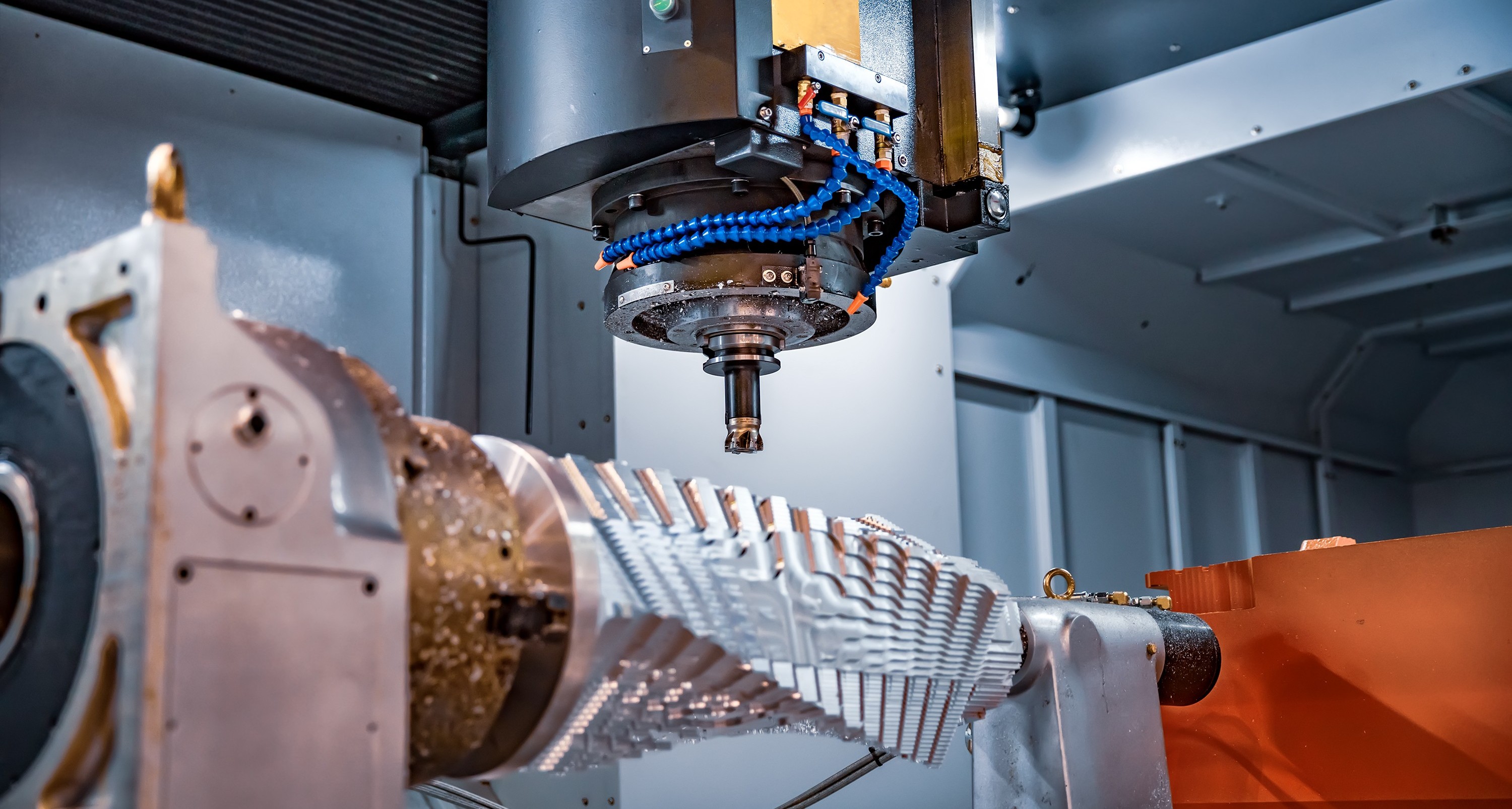
In many shops, cost estimation is still manual; this guide teaches you how to define machining phases and times with professional accuracy using Fabriqer.

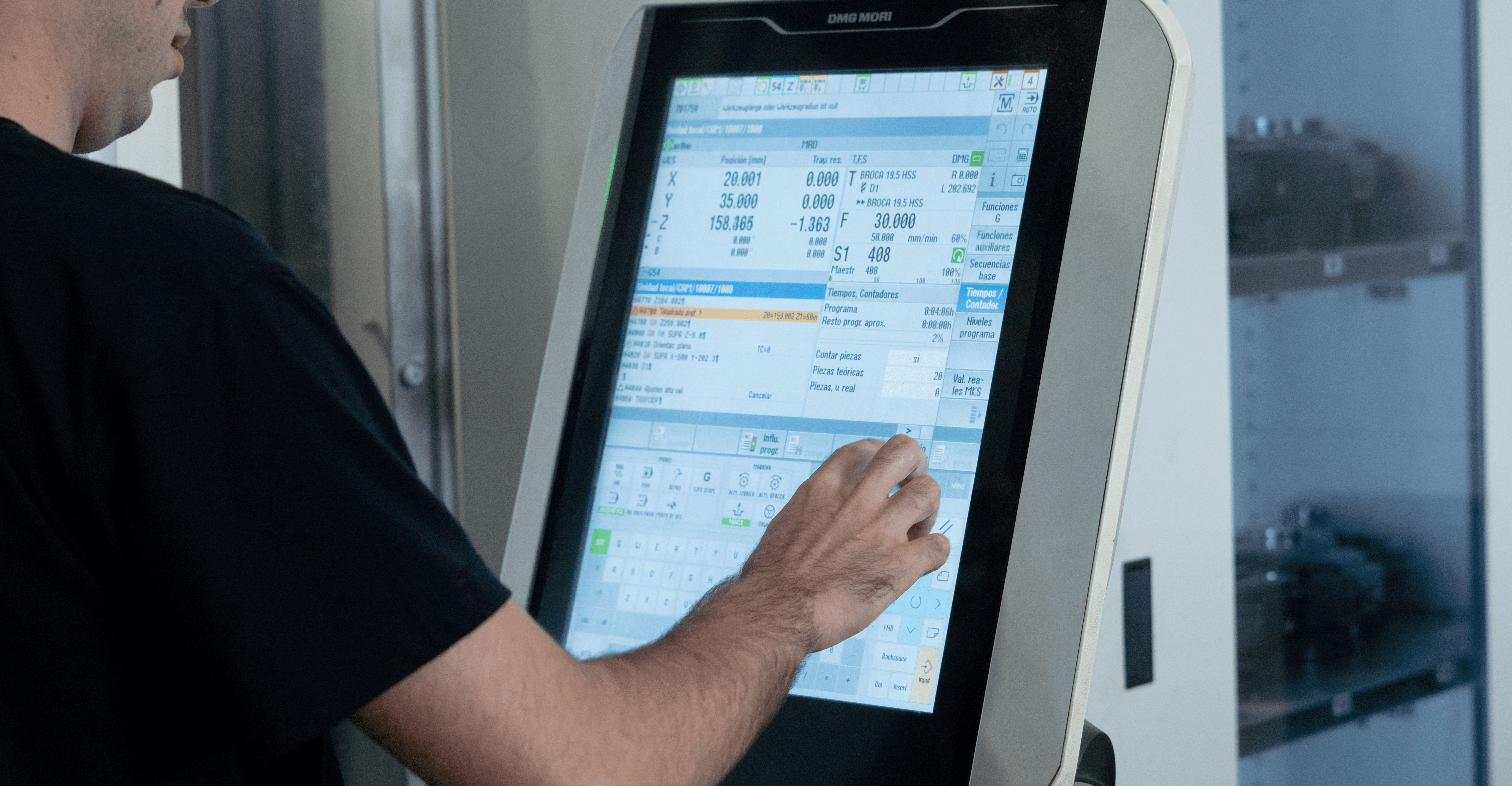
We review the most common mistakes when digitalising a shop and how to avoid them to achieve an efficient, cost-effective, and sustainable transition.
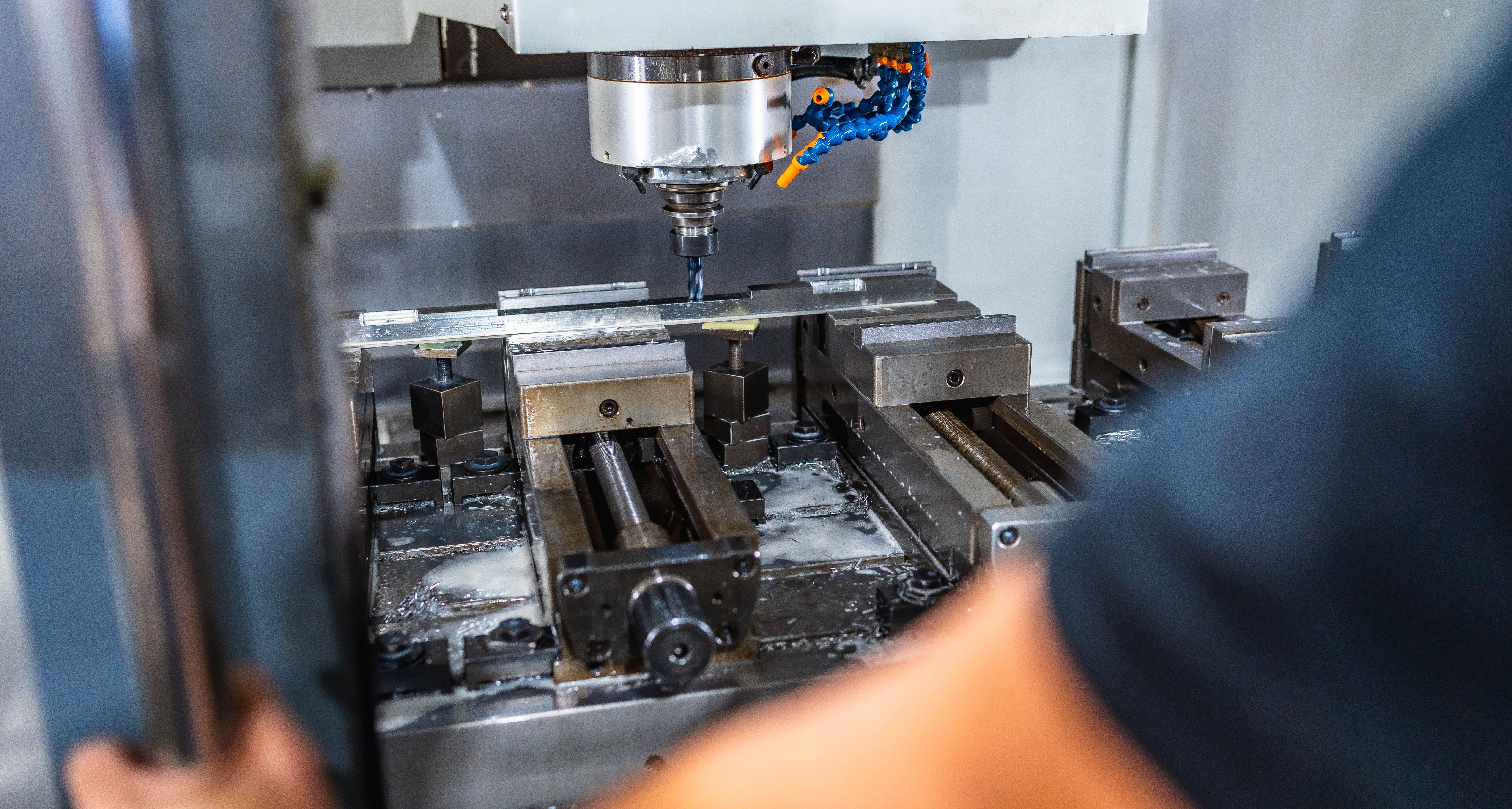
Why it's time to move beyond makeshift tools, and the real benefits of technical management software built for custom manufacturing shops.